
What is Athletic Pubalgia (Sports Hernia)?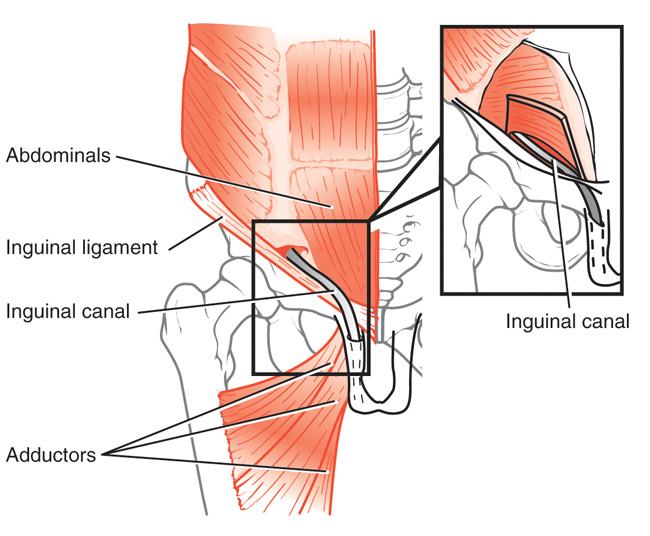
Athletic Pubalgia, commonly referred to as a “sports hernia”, is a painful overload condition affecting the soft tissues of the lower abdomen, groin and pelvic region. Despite the name, it is not a true hernia. Symptoms develop when repetitive stress, twisting, sprinting or forceful directional changes overload the muscles, tendons and connective tissues around the pubic region.
Athletic pubalgia is most commonly seen in high-intensity field and court sports involving kicking, rotation, acceleration and rapid change of direction. Symptoms can interfere with training, running, kicking power, gym work and overall athletic performance.
Although often associated with the groin, many athletes also experience lower abdominal pain, adductor tightness, pelvic stiffness or pain radiating into the inner thigh or testicular region.
Symptoms of Athletic Pubalgia
Symptoms vary depending on the structures involved and the severity of overload. Common symptoms include:
- Groin or lower abdominal pain during sport or training
- Sharp pain with sprinting, twisting, kicking or sudden directional change
- Pain radiating into the adductors, inner thigh or testicular region
- Tenderness around the pubic bone or lower abdominal attachment points
- Stiffness or tightness through the groin and hip region
- Reduced power with sprinting, kicking or explosive movements
- Pain during coughing, sneezing or abdominal bracing
- Ongoing groin discomfort that improves with rest but returns during loading
Many athletes initially notice symptoms as a “tight groin” or recurring strain that gradually becomes more persistent over time.
Sports at Risk for Athletic Pubalgia
Athletic pubalgia is commonly associated with sports involving repetitive rotation, acceleration and high pelvic loading:
- Soccer – Repeated kicking, sprinting and sudden directional changes place significant stress through the abdominal wall and adductors.
- Rugby – Twisting, collision forces and explosive running increase load through the groin and lower abdominal region.
- Tennis & Court Sports – Rapid lateral movement and rotational loading contribute to strain around the pubic region.
- Ice Hockey – Skating mechanics and repetitive hip loading can overload the adductors and lower abdominal tissues.
Athletic pubalgia is particularly common in athletes with high training loads, restricted hip mobility or poor load distribution through the pelvis and trunk.
How Athletic Pubalgia is Assessed
Assessment focuses on identifying load-related groin pain patterns and contributing movement, mobility and strength deficits. Assessment may include:
- Review of training load, sprinting and kicking demands
- Hip, pelvic and lumbar movement screening
- Assessment of abdominal, adductor and pelvic muscle tension
- Core strength and trunk control evaluation
- Functional testing during running, change of direction and single-leg loading
- Palpation of the lower abdominal and pubic regions
- Screening for overlapping pelvic, hip or lumbar contributors
Medical imaging or specialist review may sometimes be appropriate to exclude other causes of groin pain where symptoms are persistent or severe.
Treatment & Recovery
Most athletes respond well to conservative, exercise-based rehabilitation when symptoms are addressed early. Treatment focuses on reducing overload, restoring pelvic control and progressively rebuilding strength and athletic capacity.
Load & Activity ModificationReducing aggravating load is often necessary during the early stages of recovery. Strategies may include:
Appropriate load management helps reduce ongoing irritation through the pubic and groin region. |
Strength & Core RehabilitationRehabilitation focuses on restoring balanced strength and force transfer through the pelvis, trunk and hips. Exercise programming may include:
Strength deficits and poor force distribution commonly contribute to recurring symptoms. |
Hip Mobility & Movement RetrainingRestricted hip mobility and altered pelvic mechanics frequently increase stress through the groin region. Treatment may include:
Improving mobility helps reduce excessive tension and load concentration around the pubic region. |
Manual Therapy & Soft Tissue ReleaseHands-on therapy may help reduce muscular tension and improve tissue mobility around the pelvis and groin. Treatment may include:
Manual therapy is used alongside active rehabilitation to improve comfort and movement quality. |
When to Seek Help
Book an assessment if you experience:
- Persistent groin or lower abdominal pain during sport
- Pain with sprinting, kicking or directional changes
- Recurring groin “strains” that repeatedly flare up
- Pain during coughing, sneezing or heavy lifting
- Ongoing stiffness or weakness affecting athletic performance
Early intervention improves recovery outcomes and reduces the risk of chronic groin pain.
Get Support
The Athlete’s Guild provides evidence-informed support for athletes experiencing athletic pubalgia and persistent groin pain through:
- Sports-specific rehabilitation and exercise programming
- Core and adductor strengthening
- Manual therapy and soft tissue release
- Hip mobility and pelvic movement retraining
- Load management and return-to-sport planning
- Recovery and performance support
Book with Trent Renshaw for personalised care focused on reducing groin pain, restoring movement and supporting a confident return to sport.
Trusted information partners:
- Healthdirect – Groin pain or swelling
- Physiopedia – Pubalgia
- PubMed Central – Athletic Pubalgia and Associated Rehabilitation
Key Takeaways
- Athletic pubalgia is a load-related groin and lower abdominal condition, not a true hernia.
- High-speed running, kicking and rotational sports increase risk.
- Hip mobility, pelvic control and load management are major contributors.
- Conservative rehabilitation is highly effective when symptoms are addressed early.
Structured return-to-sport planning helps reduce recurrence and restore performance.