

Low-Level Laser Therapy, also known as Photobiomodulation Therapy or PBMT, is a non-invasive treatment that uses specific wavelengths of light to promote tissue repair, reduce inflammation and relieve pain.
At The Athlete’s Guild, LLLT/PBMT may be used as part of a broader treatment plan for soft tissue injury, scarring, fibrosis, lymphatic conditions, musculoskeletal pain and selected men’s health presentations.
What to Expect
The laser is applied in contact with the skin over the treatment area. This may include scar tissue, fibrotic tissue, muscles, tendons, joints, lymphatic regions or other areas, depending on the presentation.
Treatment time varies depending on the condition, size of the treatment area and clinical goal.
Most applications are between 10–20 minutes across multiple points or regions, either as a stand-alone treatment or as part of a broader remedial, lymphatic, oncology or men’s health consultation.
LLLT/PBMT is typically painless. Most clients feel little to no sensation during application.
Clients can expect:
- Fast softening of fibrotic or thickened tissue
- Reduction in pain and sensitivity
- Improved tissue mobility and comfort
- Reduced swelling or congestion over time
- Improvement in skin texture and tissue thickness
- Support for scar remodelling and tissue repair
- Lasting benefit with continued improvement over time
How Many Treatments
The number of treatments required depends on the condition, severity, duration and individual response.
Acute conditions: Often respond in 1-6 sessions.
Chronic or complex conditions: Often require 6-12 sessions, sometimes more when fibrosis, lymphoedema or long-standing tissue change is involved.
Frequency: Treatments are usually administered 1-2 times per week.
Conditions Suited to LLLT/PBMT
LLLT/PBMT is used to treat a wide range of conditions, including:
Oedema and lymphoedemaAssists with tissue softening, swelling reduction, skin quality and lymphatic recovery when used alongside appropriate lymphoedema management, includes:
|
Fibrotic tissue conditionsParticularly useful where tissue has become thickened, firm, restricted or fibrotic. Treatment aims to improve tissue softness, comfort and mobility over time:
|
Wound healing and tissue repairSupports cellular repair processes, circulation and tissue recovery, making it useful where healing is slow, irritated or complicated by scar tissue, includes:
Miranda et al., Cell Biochemistry and Function, 2026. LED and laser effects on wound healing. |
Soft tissue injuries and musculoskeletal painSupports recovery, tissue repair, local circulation and pain relief, and can be used alongside manual therapy, exercise rehabilitation and load management for:
|
Scars and adhesionsEffective in improving scar pliability, reducing sensitivity and supporting better movement through previously restricted tissue, includes:
|
Men’s healthSupports recovery in selected pelvic, genital, post-surgical, fibrotic and sperm health concerns:
|
 Carati et al., Cancer, 2003. Low-level laser therapy for postmastectomy lymphoedema.
 Bjordal et al., Australian Journal of Physiotherapy, 2003. Low-level laser therapy for chronic joint pain.
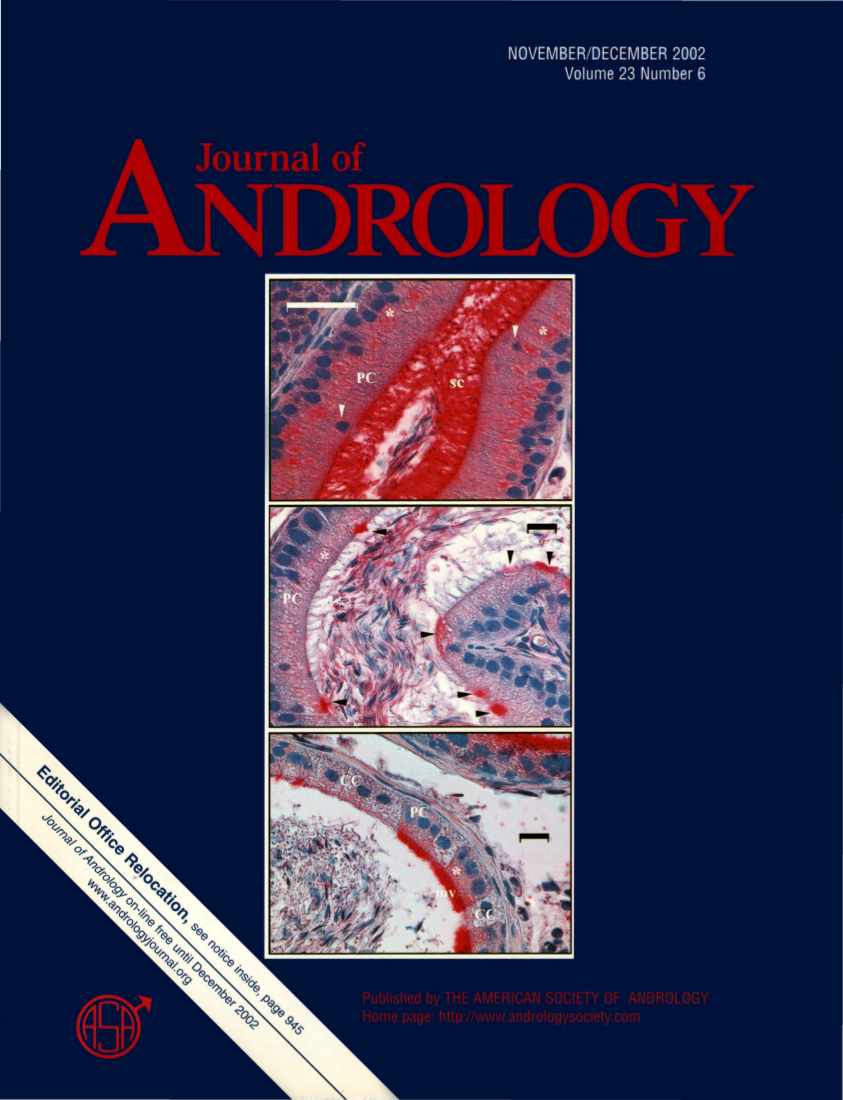 Firestone et al., Journal of Andrology, 2012. Low-level laser exposure and sperm motility.
Benefits
- Pain Relief: Effective in reducing both acute and chronic pain.
- Inflammation Reduction: Decreases swelling, tissue irritation and inflammatory load.
- Enhanced Tissue Repair: Accelerates healing of wounds, soft tissue injuries and post-surgical tissue.
- Improved Circulation: Increases local blood flow and cellular metabolism.
- Scar and Fibrosis Management: Improves tissue softness, mobility and texture in scars, adhesions and fibrotic tissue.
- Lymphatic Support: Assists with swelling reduction, tissue congestion and lymphatic recovery.
- Men’s Health: Improves tissue quality, comfort and function in selected men’s health presentations.
- Non-Invasive: No surgery, injections or invasive procedures required.
Safety and Contraindications
LLLT/PBMT is not recommended for use:
- Directly over known or suspected cancerous lesions
- Over the thyroid gland
- Over the abdomen or lower back during pregnancy
- In patients with significant photosensitivity or photosensitive medication concerns
- Over areas of active infection
- As a stand-alone fertility treatment
Cost and Time Allowance
The cost of LLLT/PBMT depends on the condition being treated, the number of treatment areas and whether it is provided as a stand-alone treatment or integrated into a broader remedial, lymphatic, oncology or men’s health consultation.
Most LLLT/PBMT applications take 10–20 minutes, although complex presentations may require more time.
A course of 6–12 treatments is commonly recommended for chronic, fibrotic or complex conditions, while acute presentations may require fewer sessions.
Summary
LLLT/PBMT offers a safe, non-invasive and effective option for pain relief, inflammation reduction, tissue repair, scar management, lymphatic support and recovery from a wide range of soft tissue conditions.
It also has a valuable role in selected men’s health presentations, including pelvic tissue recovery, genital or pelvic lymphoedema, Peyronie’s disease, fibrosis and sperm health concerns.
For more information or to schedule a consultation to discuss if LLLT/PBMT is right for you, please contact our clinic.