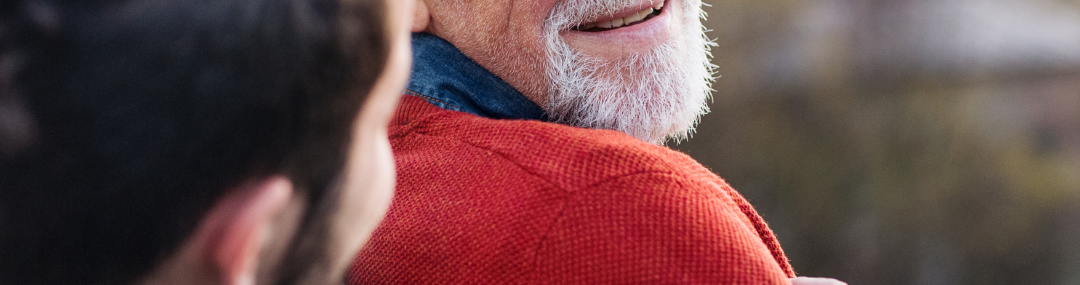
His son was his F.A.S.T. hero.
He recognised the signs of stroke, called an ambulance straight away and helped save his father’s life.
National Stroke Week 2026 recognises the family members, friends and bystanders who spotted the signs of stroke and acted without delay.
Men are almost 1.5 times more likely than women to experience stroke. Around 21,000 Australian men have a stroke each year, or about 57 every day. Yet 2 in 5 cannot recognise any common F.A.S.T. sign, and 1 in 3 do not know that stroke is a medical emergency.
F.A.S.T.: Face drooping. Arm weakness. Speech difficulty. Time to call 000.
Surviving a stroke is often only the beginning. Recovery can involve weakness, spasticity, reduced mobility, pain, swelling, and changes in continence and sexual function.
As part of a coordinated rehabilitation plan, Trent Renshaw provides support for:
• muscle tightness, guarding or discomfort
• hip, leg or other muscle and joint pain
• reduced movement or mobility
• swelling or oedema from reduced limb movement
• urinary frequency, urgency or incomplete emptying
• difficulty with erections or reaching orgasm
You do not have to navigate recovery alone.
Stroke Foundation’s StrokeLine offers friendly, understanding support to survivors, families, carers and friends. Its nursing and allied health professionals understand aphasia and give each person the time they need to communicate.
Call 1800 787 653, Monday to Friday, 9 am–5 pm Australian Eastern Time.
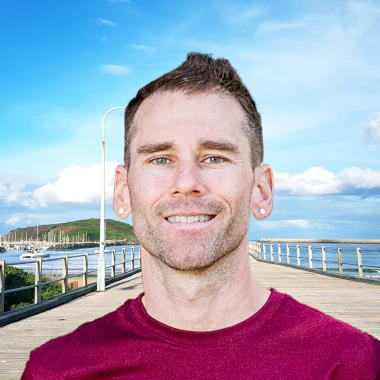
For support with the physical, lymphatic or male pelvic health effects of stroke recovery, book with Trent at Hoys Allied Health & Wellness.
Discover more from The Athlete's Guild
Subscribe to get the latest posts sent to your email.